Nostalgia 2.0: Why MySpace’s Comeback Is the Wake-Up Call Your Brand Needs
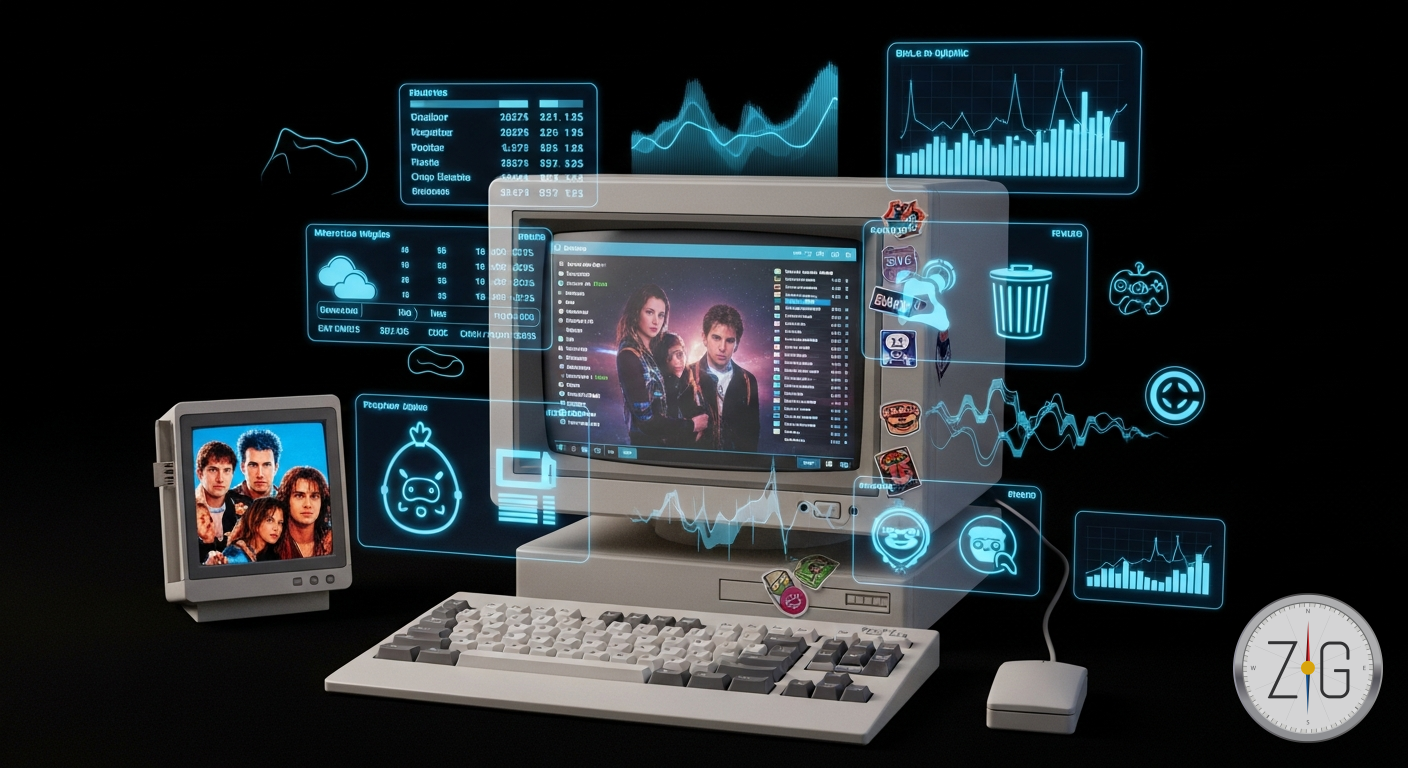
Remember when a glittery profile song on MySpace defined your entire digital persona? Fast-forward to 2026, and—surprise!—MySpace is making a serious (and, let’s be honest, fascinating) comeback. But this isn’t just a tech oddity: it’s a signal flare for every business owner who thinks 'nostalgia marketing' means dusting off an old logo and calling it a day. If you want your brand to resonate, especially with Gen Z and Gen Alpha, you need to play a deeper game.
Here’s the problem—and the opportunity: surface-level nostalgia is no longer enough. Today’s younger consumers are hyper-aware, fiercely value-driven, and have a meme-level radar for marketing BS. When MySpace announced its return, most marketers laughed. But data’s not laughing: as Adweek reported, nostalgia marketing is dominating brand strategy in 2026—and it’s not aimed at weary millennials, but at Gen Z and Gen Alpha who crave brands that mash old-school authenticity with present-day relevance.
1. MySpace: More Than a Throwback—It’s Personalization on Steroids
MySpace’s new pitch is radical personalization, empowering users to make profiles that scream "you". That’s something TikTok and Instagram still over-filter. For brands, this means getting out of the way and letting customers drive the narrative—think community co-creation, not just pushing flashbacks from 2006. Urban Decay’s 2026 “ghosting” campaign nailed this, letting followers lead the conversation (and the content)—resulting in a 20% lift in social engagement.
2. Gen Alpha: The Real Nostalgia Audience
Gen Alpha, the generation everyone’s ignoring because they’re still getting carpooled, are obsessed with discovering vintage internet culture. (Yes, what you consider *vintage*.) Adweek calls for a Gen Alpha-specific nostalgia strategy, as these digital natives remix the past with AI and expect brands to follow suit. If you’re not already prototyping campaigns that invite remixing or encourage UGC (user generated content) with a wink to the past, your competition is.
3. Authenticity Rules—But It Needs an Upgrade
Every brand claims to be authentic. Yawn. But as Urban Decay showed, authenticity means showing up with vulnerability, humor, and letting go of strict brand policing. Their campaign let influencers "ghost" standard beauty norms in short-form videos and empowered real stories. The result? Not just buzz—conversion rates jumped 18%. The lesson: let your audience write the punchlines and trust them with your brand.
Takeaways for Business Owners:
- Don’t just rehash nostalgia—invite your audience to co-create it.
- Study emerging channels (yes, even MySpace) for greenfield opportunities to interact with Gen Z and Alpha.
- Design campaigns that are remixable and participatory, building engagement *and* real affinity.
- Rethink authenticity: aim for collaborative storytelling, not sanitized perfection.
To learn more about how nostalgia-driven strategy and audience co-creation can help drive your business, contact us today. 888-434-9225 team@zackgreenfield.com