World Cup 2026: Why Non-Sponsors Are Outplaying the Big Brands (And What It Means for Your Business)
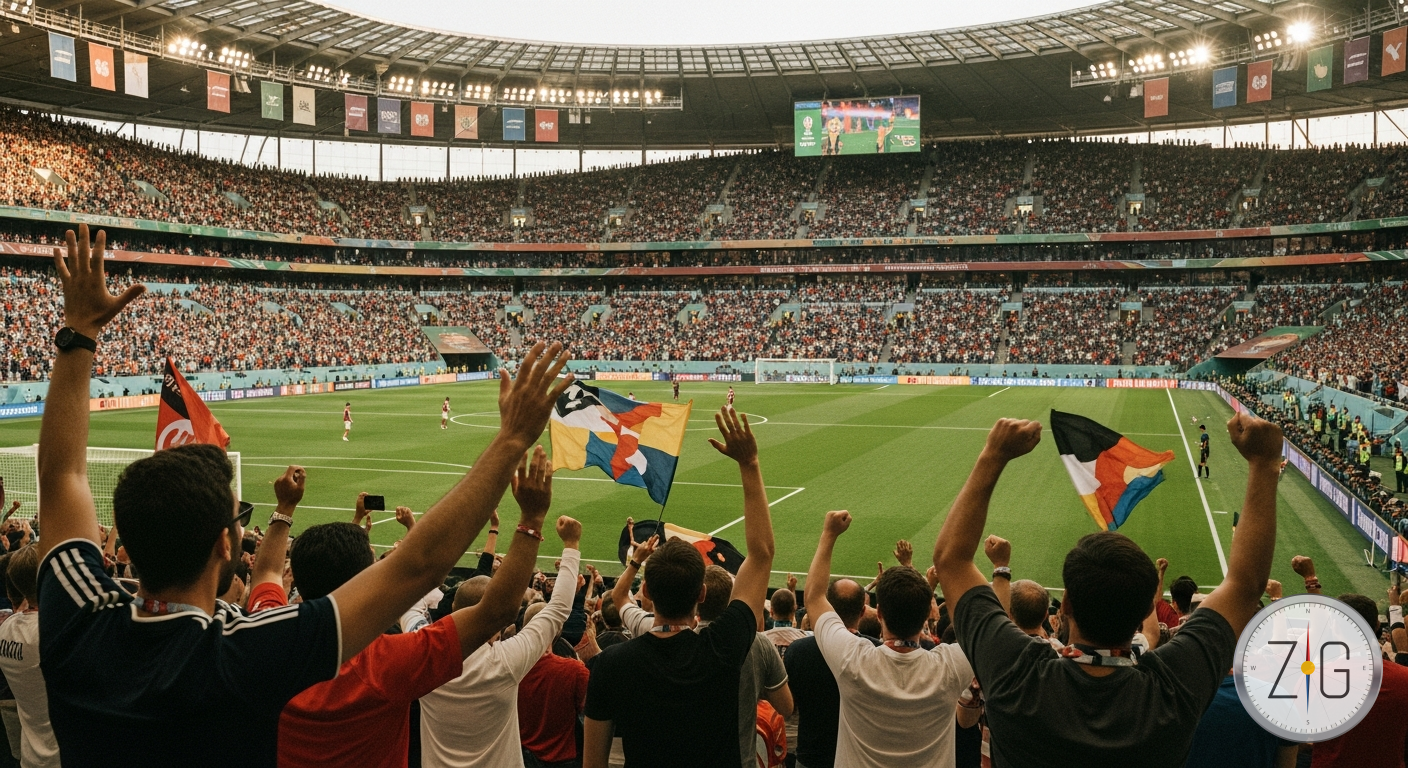
It’s 2026 and the World Cup’s in full swing—so of course, brands are falling over themselves to slap their logo on any available surface, digital or physical. But here’s the kicker: you don’t need a $100 million sponsorship to win big. In fact, plenty of underdog brands are dominating without ‘official sponsor’ status—and you can learn a lot from how they’re playing the field.
Let’s talk numbers. Fox has just reported a massive spike in ad revenue, thanks to World Cup viewership (no surprise, considering it’s the most-watched event on the planet right now). Variety notes Q2 ad sales for Fox shot up *specifically* due to World Cup content—even overshadowing some of their profit drops elsewhere. But here’s what most brand owners get wrong: you’re not automatically winning just because you paid for a seat at the sponsorship table.
Key insight #1: The conversation is happening everywhere, and non-sponsors are loud.
Recent social data shows non-sponsor brands racked up over 57,000 social mentions during the tournament, compared to around 43,000 for the official heavyweights. Why? Agile digital campaigns, witty real-time content, and influencer partnerships let smaller brands hijack the World Cup buzz for pennies on the sponsor-dollar. Remember Oreo’s famous “Dunk in the Dark” moment? Multiply that by a thousand—this time, it isn’t just snacks; it’s fintechs, AI apps, and even B2B outfits leveraging the global spotlight.
Key insight #2: ROI isn’t guaranteed, even for the big spenders.
Some brands (looking at you, Adidas and McDonald’s) are finding that simply plunking down for sponsorship rights doesn’t guarantee a brand halo. Coke and Visa, on the other hand, nailed their activations by tying in digital rewards and real-time fan engagement. The lesson: sponsorship ROI depends more on execution than name recognition. If your playbook is just ‘throw money, hope for the best,’ you’re already losing.
What should business owners be doing now?
1.
Actively monitor and join live conversations. Don’t wait for permission. Jump onto trending hashtags, memes, and cultural side-stories with branded reactions or smart offers.
2.
Lean into nimble digital campaigns. Micro-influencers and community engagement consistently outperform old-school banner ads, especially during events with rabid followings.
3.
Move fast, but don’t break things—be authentic. Your World Cup moment should match your brand’s actual DNA—forced stunts get ignored or, worse, mocked.
World Cup 2026 is proof that attention isn’t for sale—it’s earned, in real time, and often by the most creative underdogs. Big budgets help, but smart tactics win. To learn more about how strategic event-based marketing can drive your business contact us today. 888-434-9225 team@zackgreenfield.com